
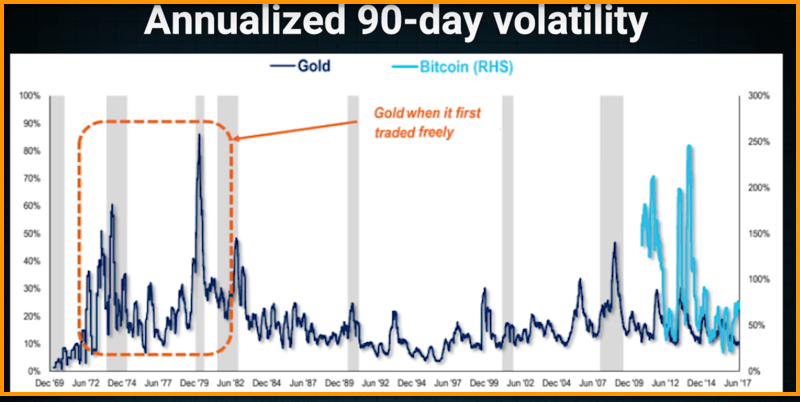
Cryptocurrencies are famous for their rapid price swings, which can create both opportunities and risks for investors. Understanding market volatility is essential to navigate the crypto world safely and make informed decisions. This article explains what cryptocurrency volatility is, why it happens, and how to manage it.
What is Cryptocurrency Market Volatility?
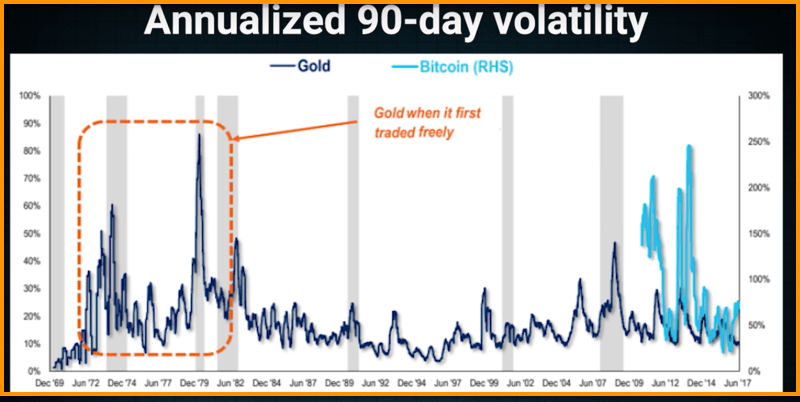
Volatility refers to the degree of price fluctuations in a market over a specific period. In cryptocurrencies, this means prices can rise or fall dramatically in hours or even minutes.
- High volatility: Large price swings, e.g., Bitcoin rising 10% in a day.
- Low volatility: Small, stable price changes over time.
High volatility can be exciting for traders seeking quick profits but risky for long-term investors.
Why Are Cryptocurrencies So Volatile?
Several factors contribute to the volatility of cryptocurrencies:
1. Market Size and Liquidity
- Compared to traditional markets, crypto markets are smaller and can be influenced by large trades.
- Low liquidity means buying or selling large amounts can drastically affect prices.
2. Speculation and Hype
- Media coverage, celebrity endorsements, and social media trends can cause sudden price spikes or drops.
- Fear of missing out (FOMO) often drives impulsive buying.
3. Regulatory News
- Announcements from governments about regulations, bans, or adoption can trigger market reactions.
- Example: China banning crypto mining caused Bitcoin prices to drop sharply.
4. Technological Developments
- Upgrades, forks, or security issues in blockchain networks can affect prices.
- Example: Ethereum’s transition to Ethereum 2.0 caused market speculation.
5. Investor Sentiment
- Crypto markets are heavily influenced by emotions: fear, greed, and uncertainty can create wild swings.
Effects of Volatility on Investors
Opportunities
- Traders can profit from short-term price fluctuations using strategies like day trading or swing trading.
Risks
- Long-term holders may experience significant losses during sharp market drops.
- Emotional decisions can lead to panic selling or missed opportunities.
How to Manage Cryptocurrency Volatility
1. Diversify Your Portfolio
- Don’t invest all your funds in a single coin.
- Spread investments across multiple cryptocurrencies and asset types.
2. Use Stop-Loss Orders
- Protect your investments by automatically selling when prices drop to a certain level.
3. Focus on Long-Term Value
- Ignore short-term swings and concentrate on the fundamentals of projects you invest in.
4. Only Invest What You Can Afford to Lose
- Cryptocurrency is high-risk; never invest money you might need for essentials.
5. Stay Informed
- Monitor news, project developments, and market trends to anticipate potential volatility.
Conclusion
Cryptocurrency market volatility is both a challenge and an opportunity. While price swings can be extreme, understanding the causes and managing risk can help investors make smarter decisions.
By staying informed, diversifying, and focusing on long-term value, you can navigate the volatile crypto market safely and potentially benefit from its growth.