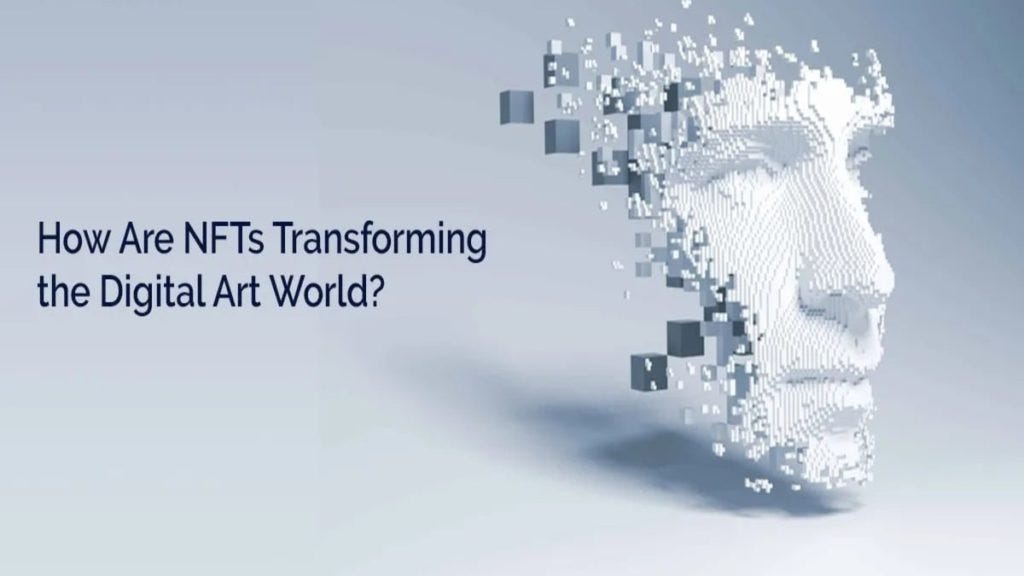
Non-Fungible Tokens, or NFTs, have taken the digital world by storm. They are revolutionizing how artists create, sell, and monetize their work. From digital paintings to music, NFTs are changing the rules of ownership and value in the art world. This article explains what NFTs are, how they work, and their impact on digital art.
What Are NFTs?
An NFT is a unique digital asset that represents ownership of a specific item or piece of content, stored on a blockchain. Unlike cryptocurrencies such as Bitcoin or Ethereum, NFTs are non-fungible, meaning each token is unique and cannot be exchanged one-for-one with another.
NFTs can represent:
- Digital artwork and illustrations
- Music and audio files
- Virtual real estate in metaverse platforms
- Collectible items and trading cards
How NFTs Work
NFTs are built on blockchain technology, usually on the Ethereum network, although other blockchains like Solana and Polygon are also used.
- Creation (“Minting”): Artists create a digital file and mint it as an NFT, which stores its metadata and ownership on the blockchain.
- Ownership and Verification: The blockchain records the NFT’s owner, making it tamper-proof and easily verifiable.
- Buying and Selling: NFTs can be sold on specialized marketplaces like OpenSea, Rarible, and Foundation.
- Royalties: Smart contracts allow creators to earn royalties automatically whenever the NFT is resold.
Impact of NFTs on Digital Art
1. Empowering Artists
NFTs give artists direct control over their work, eliminating the need for galleries or intermediaries. Artists can sell directly to collectors worldwide.
2. Proven Ownership and Scarcity
NFTs establish proven ownership of digital art. Even if the art is copied, the blockchain proves who owns the original. Scarcity adds value to digital creations.
3. New Revenue Streams
Artists can earn resale royalties whenever their NFT is sold in the future, creating ongoing income opportunities.
4. Global Marketplace
NFTs allow artists to reach global audiences, opening up new markets and collectors who were previously unreachable.
5. Encouraging Creativity
NFTs encourage innovation and experimentation with digital mediums, including 3D art, animations, and interactive experiences.
Risks and Challenges of NFTs
- Market Volatility: NFT prices can fluctuate dramatically.
- Copyright Concerns: Ownership of an NFT does not always mean copyright ownership.
- Environmental Impact: Some blockchains, like Ethereum (before the merge), consume high amounts of energy.
- Scams and Frauds: Fake or plagiarized NFTs exist, so buyers must verify authenticity.
Conclusion
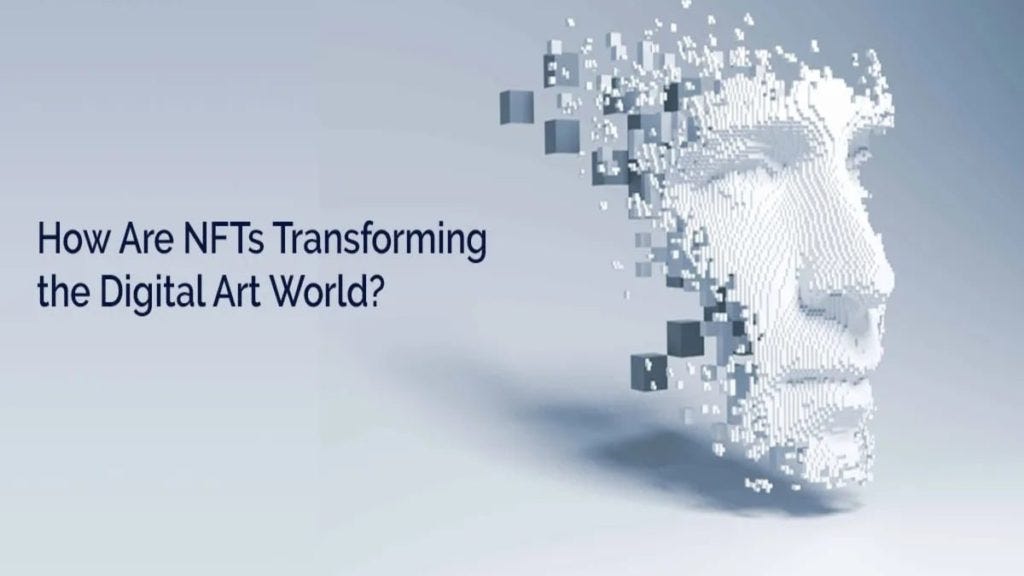
NFTs are transforming the digital art world by giving artists ownership, royalties, and global exposure. While they come with risks, NFTs offer exciting opportunities for creators and collectors alike.
As the technology matures, NFTs may continue to reshape art, music, gaming, and virtual experiences, creating new ways for digital creators to monetize their work and connect with fans worldwide.