
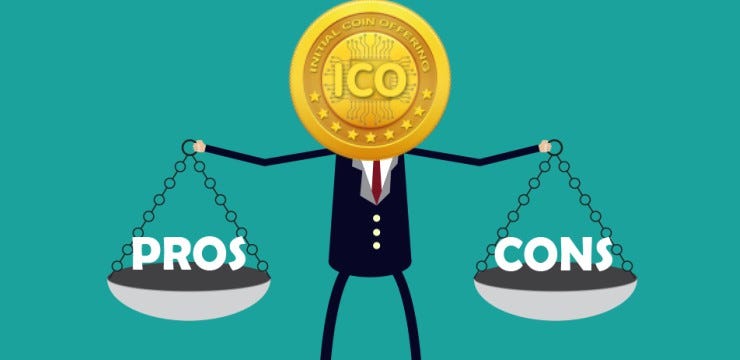
While Bitcoin remains the most well-known cryptocurrency, many investors are exploring altcoins—all cryptocurrencies other than Bitcoin. Altcoins include Ethereum, Cardano, Solana, and thousands of others. Investing in altcoins can be rewarding, but it also comes with risks. This guide will explore the pros and cons of investing in altcoins.
What Are Altcoins?
Altcoins, short for alternative coins, are cryptocurrencies created as alternatives to Bitcoin. Many altcoins aim to improve upon Bitcoin by offering faster transactions, smart contract capabilities, or lower fees. Examples include:
- Ethereum (ETH): Known for smart contracts and decentralized apps.
- Cardano (ADA): Focused on scalability and sustainability.
- Solana (SOL): Fast, low-cost blockchain for DeFi and NFTs.
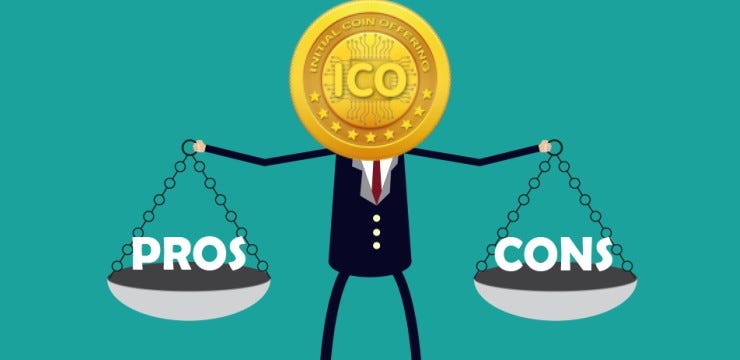
Pros of Investing in Altcoins
1. High Growth Potential
Altcoins can provide significant returns if you invest early in promising projects. Some altcoins have increased in value hundreds of times since their launch.
2. Diversification
Adding altcoins to your portfolio helps spread risk across multiple digital assets instead of focusing solely on Bitcoin.
3. Innovation and Use Cases
Many altcoins have unique features and applications, such as smart contracts, decentralized finance (DeFi), and non-fungible tokens (NFTs).
4. Lower Entry Price
Some altcoins are priced much lower than Bitcoin, making them more affordable for new investors.
5. Community Support
Popular altcoins often have strong communities and development teams, which can drive adoption and growth.
Cons of Investing in Altcoins
1. High Volatility
Altcoins are often more volatile than Bitcoin, with prices subject to sudden spikes and drops.
2. Lower Liquidity
Some smaller altcoins have low trading volumes, making it harder to buy or sell large amounts without affecting the price.
3. Higher Risk of Failure
Many altcoins fail or become abandoned projects, which can lead to complete loss of investment.
4. Regulatory Uncertainty
Governments may regulate or restrict certain altcoins, which could impact their value or usability.
5. Limited Adoption
Some altcoins have limited real-world use, reducing long-term growth potential.
Tips for Investing in Altcoins
- Do Your Research (DYOR): Study the coin’s technology, team, roadmap, and community.
- Diversify: Don’t put all your money into one altcoin; spread it across several promising projects.
- Invest Only What You Can Afford to Lose: Altcoins can be highly volatile.
- Use Reputable Exchanges: Trade on trustworthy platforms like Binance, Coinbase, or Kraken.
- Monitor News and Market Trends: Altcoin prices are influenced by market sentiment and technological developments.
Conclusion
Investing in altcoins can be exciting and profitable, but it requires caution, research, and risk management. By understanding the pros and cons, you can make informed decisions and potentially benefit from the growth of emerging cryptocurrencies.
Altcoins can complement Bitcoin investments and give investors exposure to innovative blockchain projects, but remember: high reward comes with high risk.